My Approach
Engaging
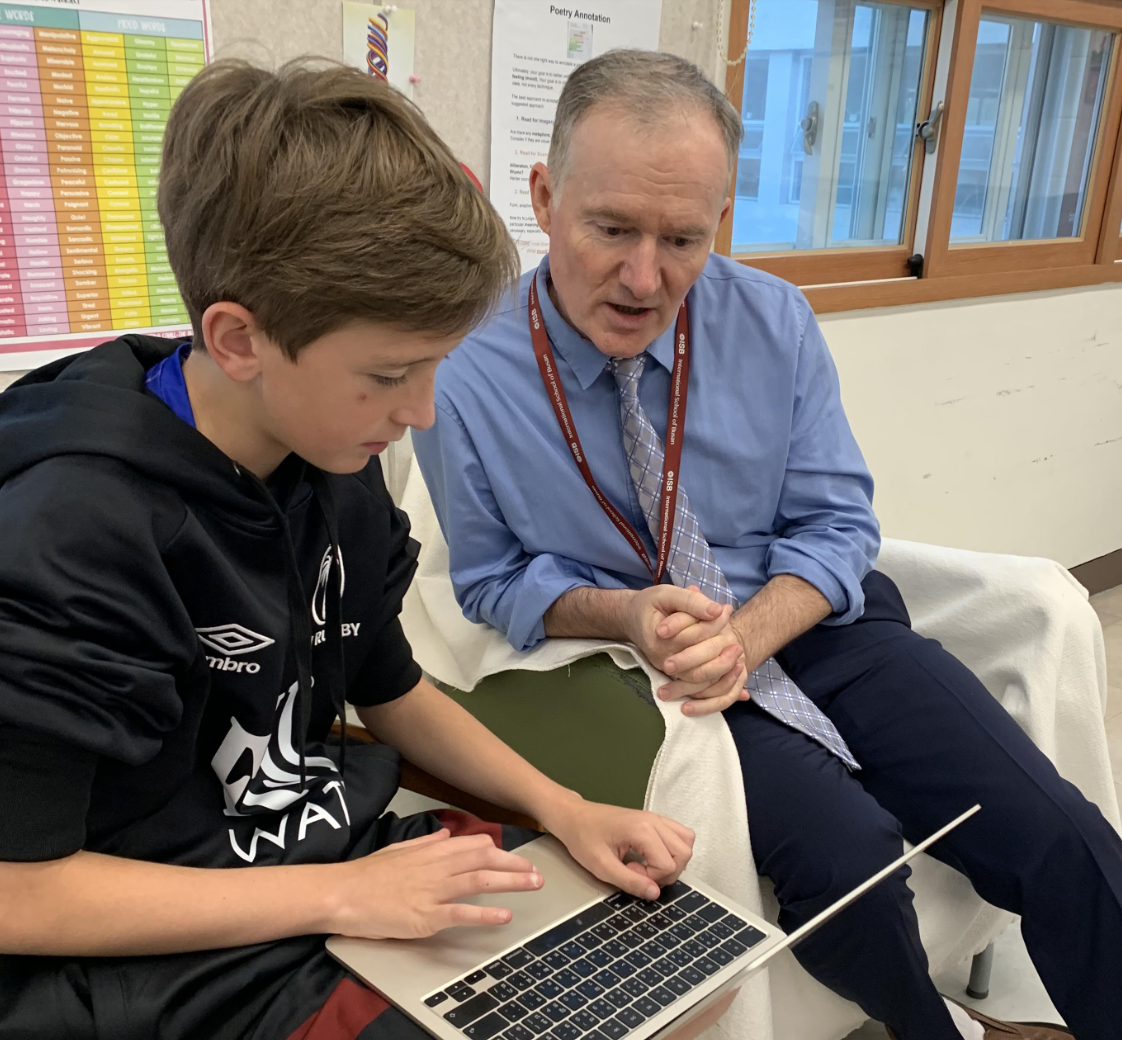
My first responsibility as a teacher is to engage students in learning. To begin with, I love designing units that excite students’ interest. My experience helps me find provocative texts that I know students connect with emotionally and critically. Working closely with colleagues in the library and across year group teams, I then play a central role in designing lines of inquiry and tasks that I know will hold students’ attention throughout a unit.
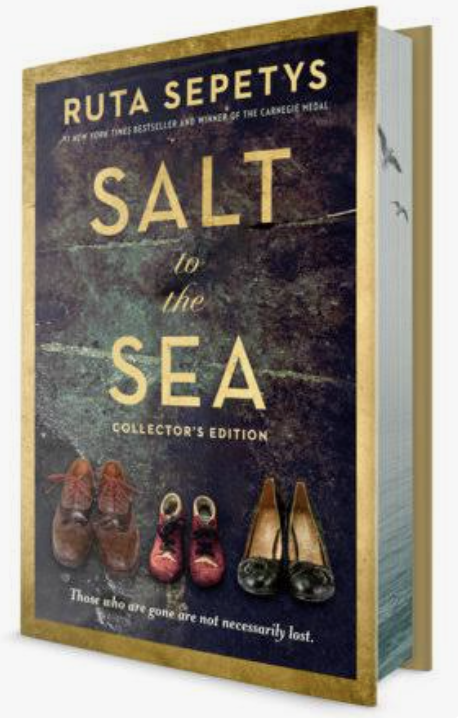
Last year, for example, I started designing an Interdisciplinary Unit with the I&S department that was built around Ruta Sepetys’ novel “Salt to the Sea”. The novel tells one of the almost-forgotten history of the sinking of the SS Wilhelm Gustloff and gives fictional voice to some of the refugees on board. We then built an Interdisciplinary Unit around the reliability of war stories and whether fictional voices could sometimes tell us more than factual accounts.
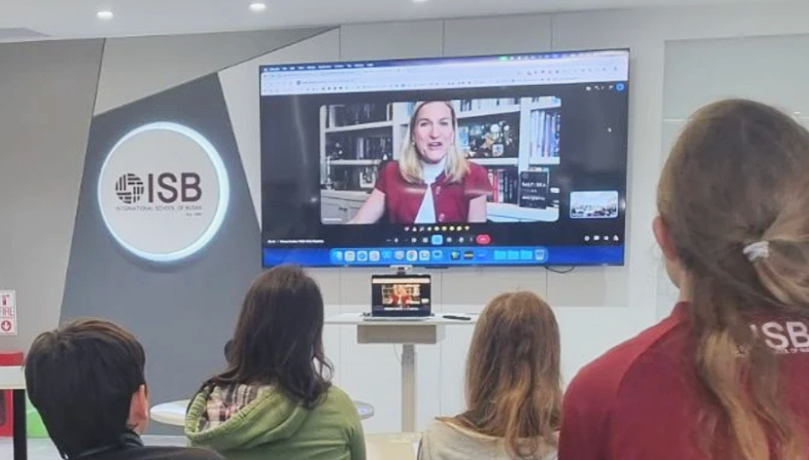
At the culmination of the unit, our librarian managed to book an hour and a half with Ruta Sepetys herself, and the students designed a question and answer session focused on both her historical research and her literary methods. The whole unit was rich because the original text was powerful and connected powerfully with the age group.
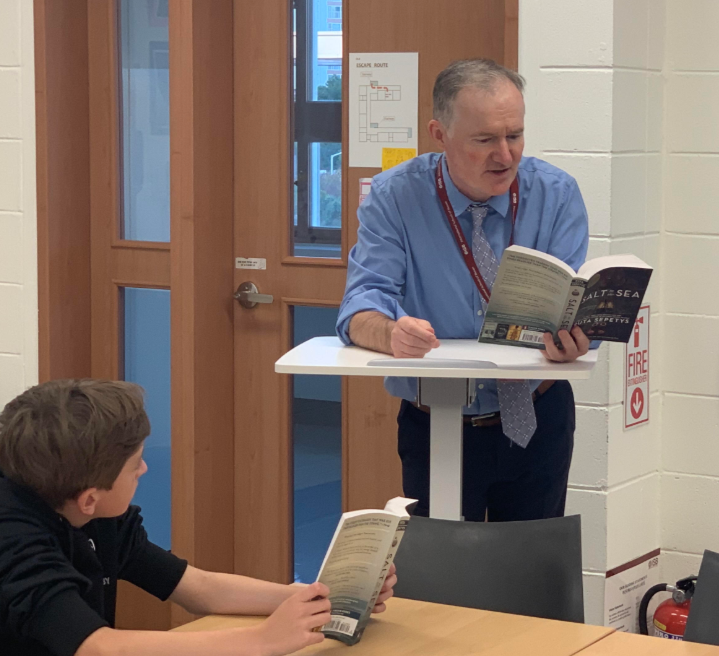
In class I am also a passionate communicator. I read aloud to students and encourage students to read aloud too, believing that “Words mean more than what is set down on paper. It takes the human voice to infuse them with shades of deeper meaning.” (Maya Angelou)

Collaborative
I see collaboration as central to my role as an educator—both in partnership with students and with colleagues. I strive to build trusting relationships with students that encourage them to take an active role in their learning, while also working closely with colleagues to design rich, engaging, and supportive learning experiences. I want students to be active, curious participants in their own learning, so I seek to design units around student inquiry and participation.
When students run their own book club, Socratic seminar or documentary film project, I find that they are often more motivated and their learning more meaningful. I vividly remember running my first class book club in 2005 and feeling guilty that I wasn’t doing enough as a teacher. However, when I saw the students engaging in peer-led discussions, it was a real epiphany. Sometimes, the best thing I can do is stop talking, actively listen and let the students become the agents of their own learning.
I like to write alongside students too. In Bangkok we spent a year or two training with Erin Kent’s Readers and Writers workshop model, which consolidated my belief in small group and low stakes writing assignments as part of class routine. I frequently model vulnerability and creativity in the writing process by writing alongside students during class.
Interdisciplinary
I have been an English and History specialist since college. My strong grounding in the Humanities enables me to enrich both the English and the Individuals and Societies classrooms. I can readily find examples, analogies and connections from multiple sources. For example, I can analyse Orwell’s essays and novels in their own right, but I can also contextualise student understanding with my knowledge of Britain’s colonial presence in Burma or the politics of the International Brigades in the Spanish Civil War. Or when the eleventh grade were recently looking at some of the more ambiguous imagery in Bob Dylan’s lyrics, I was able to draw on my understanding of Cold War era politicians and poets to provide students with essential context.