High School English
My first formal teaching experiences were in further education in the UK where I taught ‘A’ Level language and literature. Since then I have taught the Diploma Literature and Language and Literature courses in three international schools. I really love to help students understand the power and value of close reading and draw on my broad understanding of culture, politics and history to help the students make connections to the world around them.
IB Diploma English
Making it Relevant
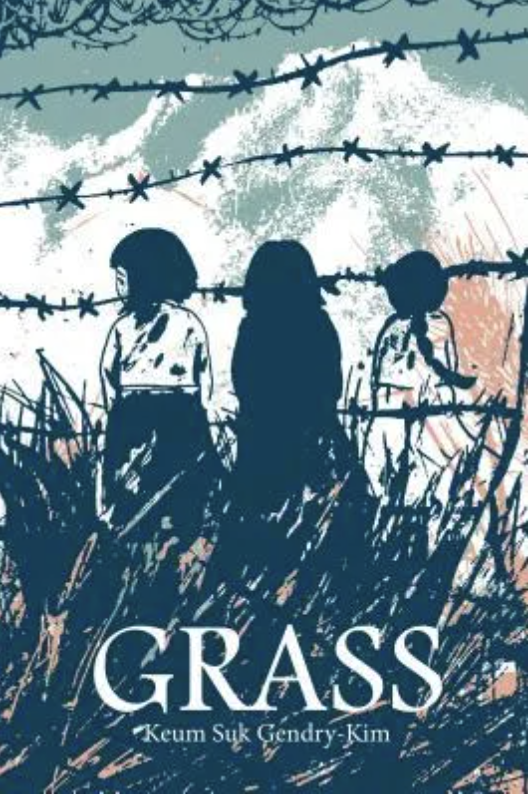
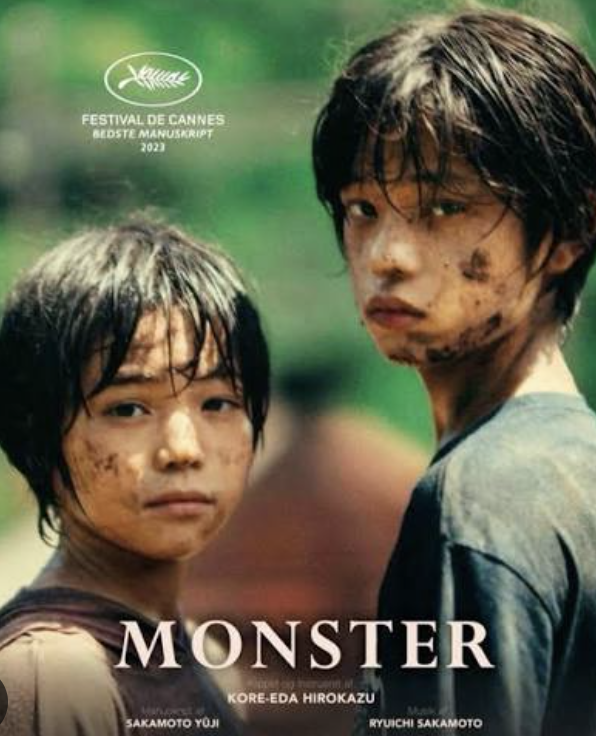
English language and literature has always been my passion. As the son of an English teacher, I was raised surrounded by books and always made aware of their relevance to the world around me. As well as the critical and analytical appreciation of text, I want students to be motivated by understanding the contemporary political relevance of writing. As we analyse “Grass” by Keum-Suk Gendry Kim, for example, I want students to think about the resilience shown by the enslaved “comfort women” but also consider the patriarchal nature of contemporary Korean society. Hirokazu’s “Monster” also teaches students about institutional bullying and the lack of space for individual identity in rigidly structured societies. My starting point is to engage students through the exciting and challenging nature of literature’s ideas, so that they can start to appreciate the skill and craft of the writing itself.
Media and Non-literary Text
I love the Language and Literature course. Having studied literary linguistics at Masters level, I have a real appreciation of the grammatical structure of language as well as ways to view “text” in a broader non-literary sense. My experiences studying media at University and teaching Media Studies on an undergraduate course at Salford University have also given me a firm foundation in this skill set.
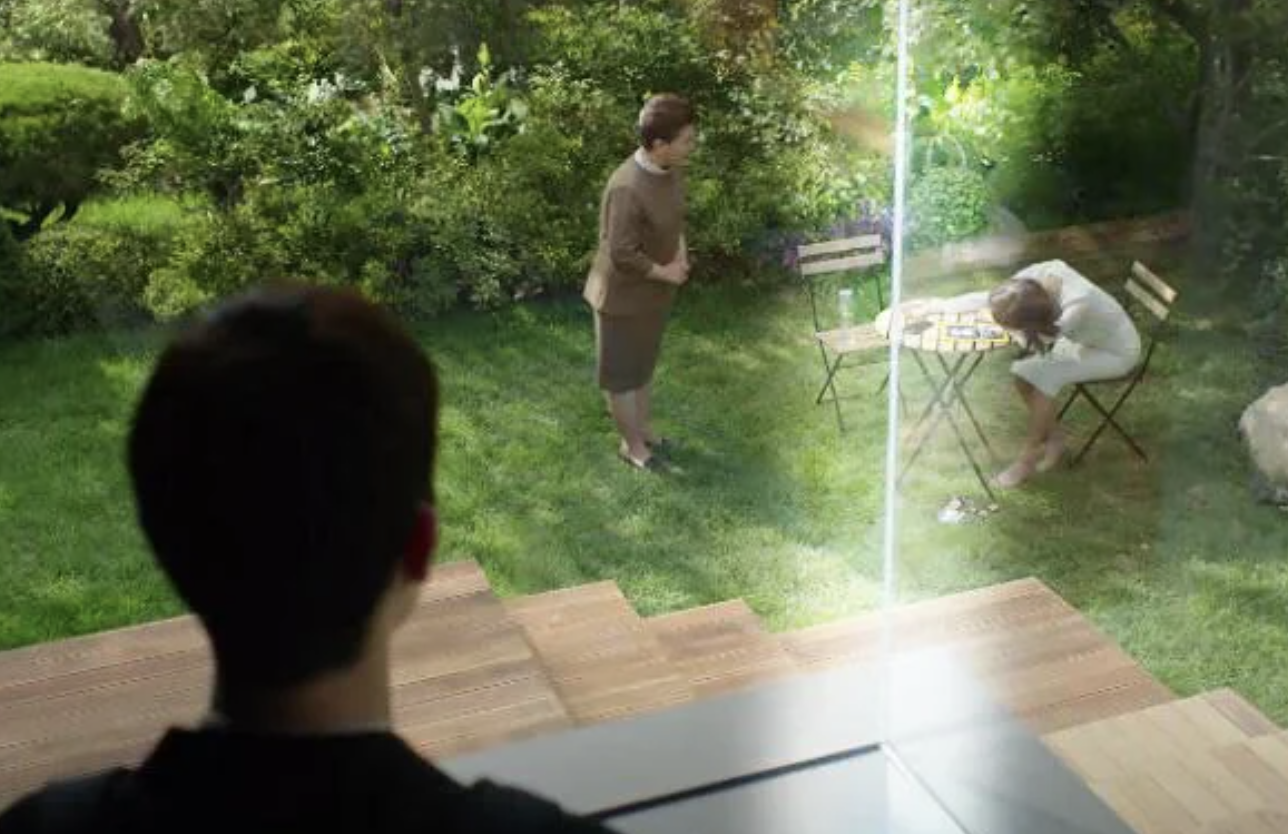
Recently I have been looking at Dylan’s portrayal of class inequality in texts such “Only a Pawn in their Game” and “Maggie’s Farm”, but students’ work with the visual texts of Ugur Gallenkus and Mona Chalabi has enriched and broadened their understanding of inequality as a concept. Our second semester analysis of Bong Joon Ho’s “Parasite” not only provided students with rich source material for their IOAs at the end of the year but taught them to consider how the cultural context, both in space and time, impacted the audiences understanding of class hierarchies.
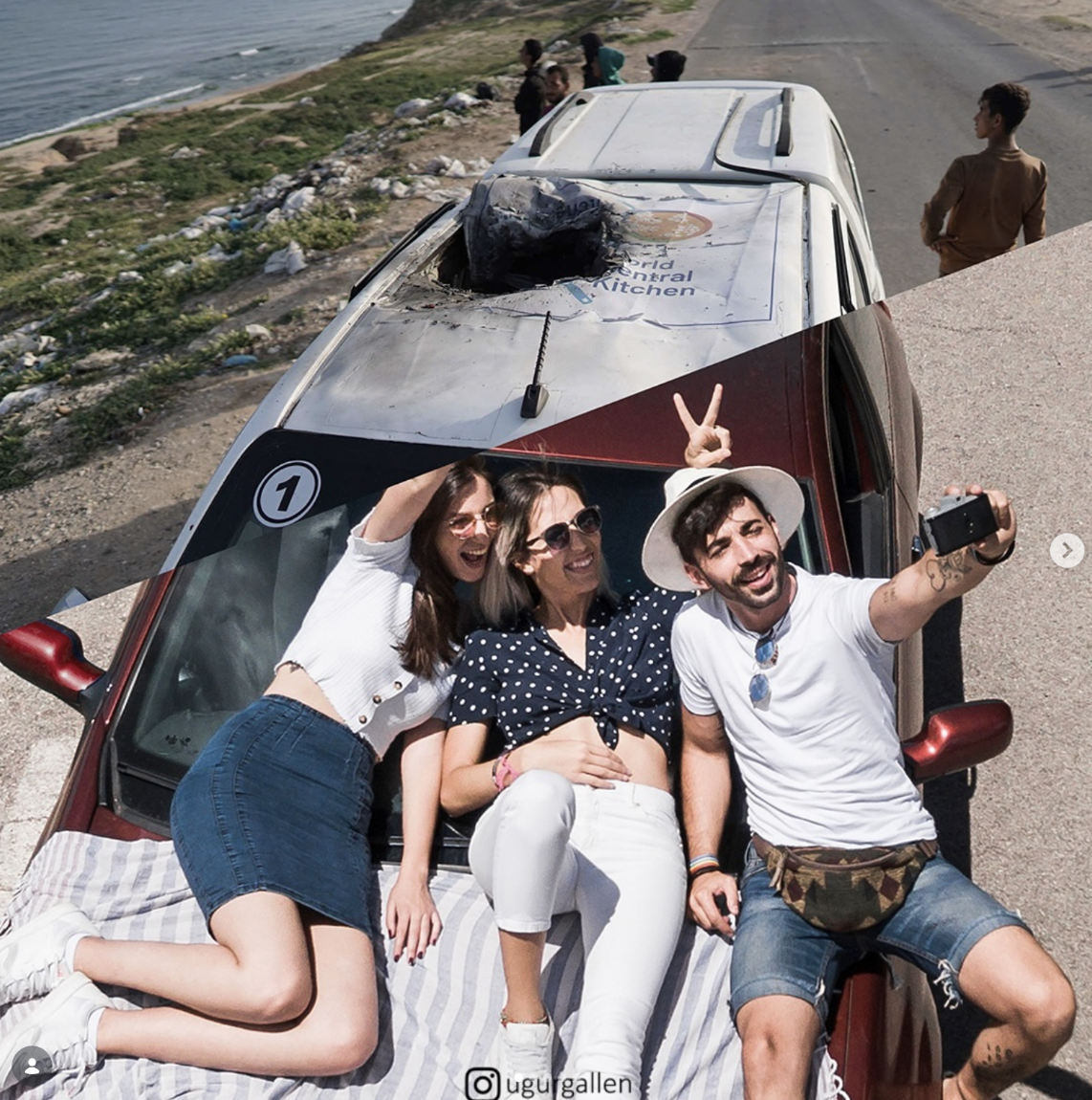
Students also challenge and enrich my understanding of text. A student’s recent presentation on Ugur Gallenekus’ juxtaposition of selfie-taking young people with a bombed out World Central Kitchen car in Gaza caused me to question the self-centred behaviour of those in developed countries. However, the students read the text quite differently; they saw the selfie-taking youth as joyous and carefree. After all, it is quite a typical weekend activity for young people in South Korea to meet at a photo booth shop - Insaengnekot (“Life in Four Cuts”) to take pictures together. The negotiation of symbolic meaning between generations, countries and cultures keeps our international classrooms dynamic and keeps teaching me unexpected lessons.