Middle School English and Humanities
At the University of Manchester I took a Combined Honours Degree in Literature and History. My Humanities background allows me to explore these passions fully in my teaching. Whether it is artifact analysis of Ancient Sumerian cuneiform tablets, the agoge system of Spartan education or the McCarthyite red scare in 1950s America, I am confident that I can always draw on rich connections for the students.

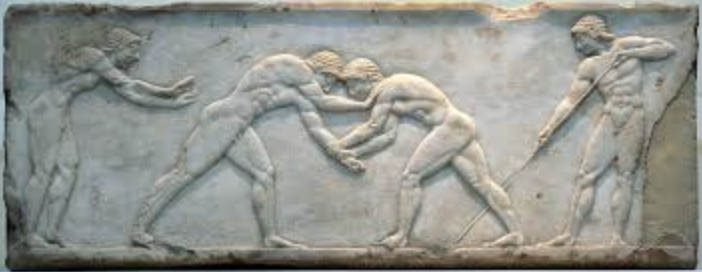
Making connections -
Beer rations in Ancient Sumer or brutality in boys’ education.
One of the pleasures of middle school teaching is the space and opportunity to be creative and find cross-curricular connections as well as connections between the real world and the classroom. By listening to the students one can negotiate the curriculum and guide them through projects that really inspire them.
In Bangkok, for example, I built a water systems unit around the sustainable design of Benjakitti Park, a green space in our school’s neighbourhood. Students read about sponge-city projects in China before carrying out real world research in the local park and then completing a cost benefit analysis of land usage in urban environments. The park’s natural flood management and water recycling systems were weighed against social, economic, environmental and well-being benefits and costs. In a school where students had to negotiate flooding and sometimes travelled to school by water taxi, the innovative park was an obvious way to make systems-thinking tangible.
Creative Projects that Connect to the Real World
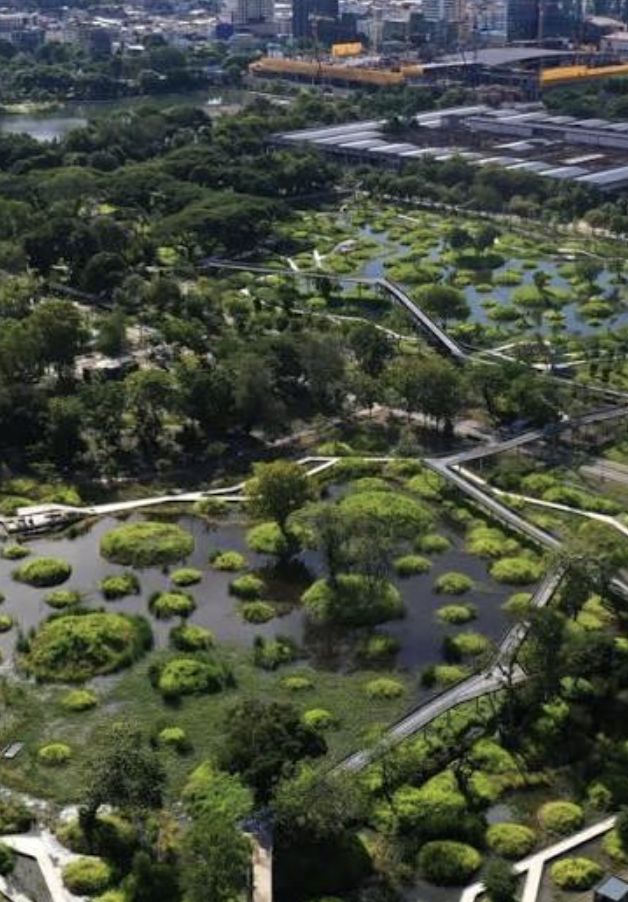
Making systems thinking real in Bangkok.
Responding to Students’ Interests
Another group of students showed a real passion for dance and performance, so as we were approaching the "Romeo and Juliet" text, I asked the students to direct and choreograph a fight scene between the Montagues and Capulets. The students actually performed their scene (to great acclaim) in front of hundreds of parents and students as part of the Spring Charity Concert. After the rehearsals were complete, their written reflections on the scene were detailed and thoughtful because their interaction with the dialogue and stage directions had been been so powerful.
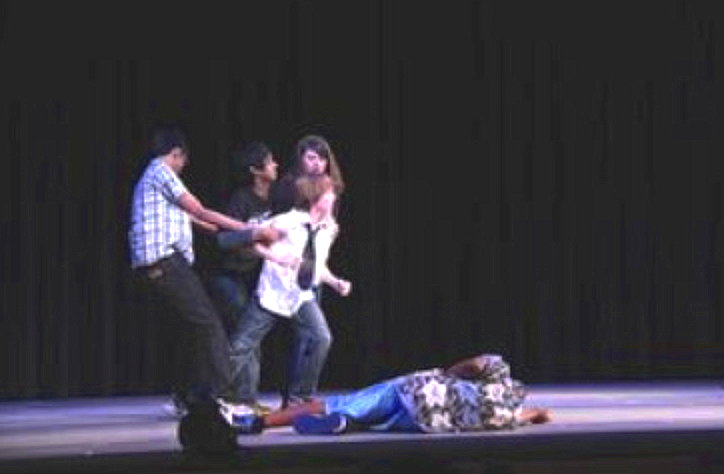
“Fire-eyed fury be my conduct now!”
Creative Writing Alongside Students
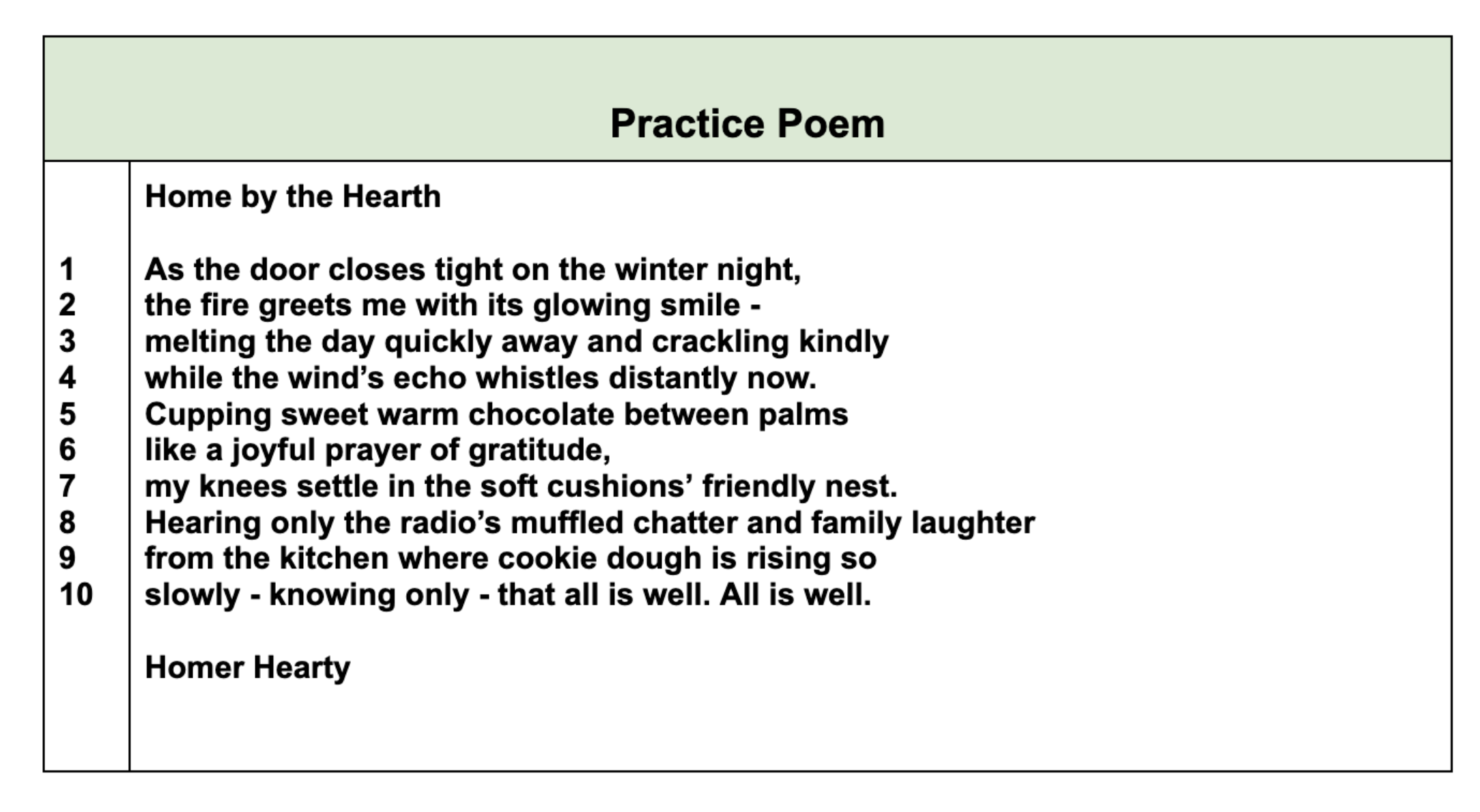
I like to write alongside students in the classroom, modelling creativity and clear, repeatable structures. I love poetry and playing with language - adding sensory description and sound effects - and giving students the space to express themselves without summative assessment clouding their thinking. The writing workshop has to be a safe, risk-taking space where students are praised and rewarded for what works well.
Clear Structures for Complex Ideas
I also use PEEL models extensively, colour coding analytical models and spending time on the detail of clear topic sentences, contextualised evidence and relevant explanations that don’t merely summarise what students have already said but “unpack” their analysis fully. If students can establish and internalise these simple structures early in secondary school, it really helps them as the ideas become more complex in the higher grade levels.
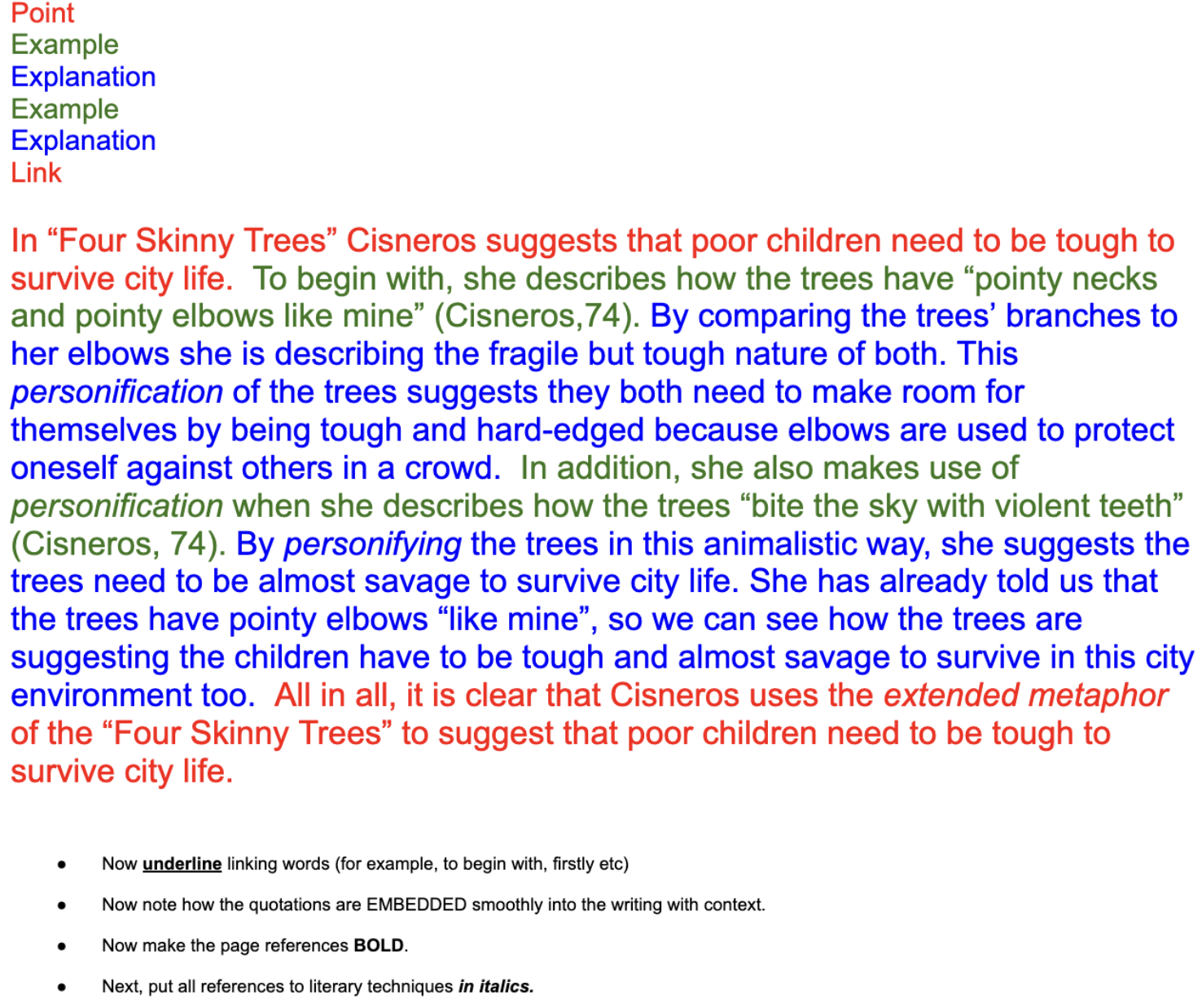
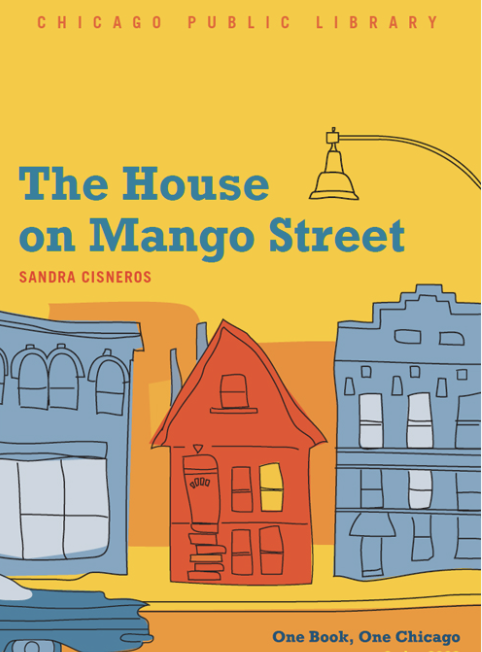
Poems and PEELS - workshop writing in the middle school establishes confidence, creativity and structure.